
Tracing the History of Ceramics and Museum Strolls in Shigaraki
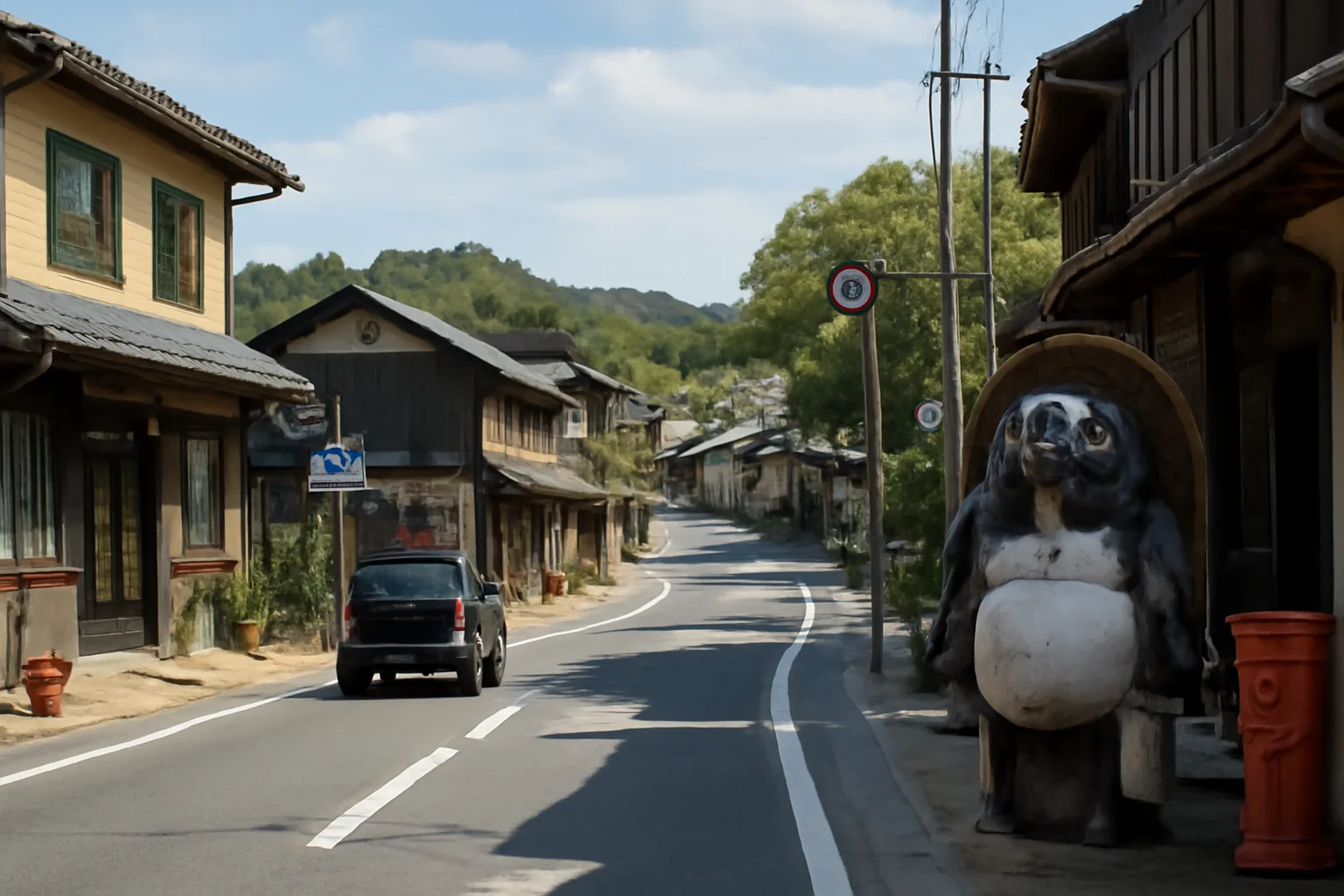
If you’re looking to experience both “history” and “ceramics” in the Kansai region, Shigaraki Town in Koka City, Shiga Prefecture, is a must-visit. Shigaraki is one of Japan’s Six Ancient Kilns, renowned as a pottery village. As you travel along mountain roads, you’ll be greeted by tanuki (raccoon dog) statues displayed outside shops and pottery that showcases the natural colors of the clay. While it has a casual tourist-friendly atmosphere, Shigaraki is a place where a long-standing ceramic culture quietly thrives beneath your feet — this depth is what makes wandering around Shigaraki so appealing.
Encountering Pottery Beyond Tableware at the Ceramic Cultural Park
The first stop to visit is the Shiga Prefectural Ceramic Cultural Park, which spreads across verdant hillsides. The spacious park houses exhibition facilities that function as museums, allowing visitors to experience a wide range of ceramic expressions through domestic and international ceramic works and special exhibitions related to Shigaraki ware. When you hear “vessels” or “jars,” you might typically picture everyday household tools, but the works found here resemble sculptures or contemporary art pieces. You can take your time to appreciate the world of ceramics — shaped by kneading clay, shaped by fire, and embracing chance — at your own pace.
The Journey of Shigaraki Ware Since the Kamakura Period
The history of Shigaraki ware dates back to around the Kamakura period, when large everyday items such as jars, pots, and mortars were crafted. The local clay is fire-resistant and suited for making large pieces. Additionally, the natural ash glaze formed inside the kiln gives Shigaraki ware its distinctive appearance, which helped it grow into a nationally recognized production area. During the Muromachi and Momoyama periods, it gained attention as tea utensils with the rise of the tea ceremony, beloved by tea masters for its rustic and powerful textures.
One special aspect of the “Shiga Prefectural Ceramic Cultural Park” is that the experience doesn’t end with just viewing the artworks inside. Ceramic pieces are scattered outdoors throughout the grounds, creating an open atmosphere where you can encounter art while taking a stroll. Feeling the seasonal breeze as you walk around the works, you’ll notice how the impression of the same piece changes depending on the light and the angle from which you view it. This flow — learning history and techniques indoors, then enjoying the artworks integrated with nature outside — is a uniquely Shigaraki experience.
Getting Closer to Local Life at the Shigaraki Traditional Industry Center
For those who want a closer look at life in the production area, the Shigaraki Traditional Industry Center is also recommended. This facility offers insights into the history, production processes, and everyday uses of Shigaraki ware, making it an ideal introduction for first-time visitors. Learning why the tanuki statue became a Shigaraki symbol, and how the clay is shaped and fired in kilns, makes browsing the pottery shops in town even more enjoyable.
A Walking Tour of Kilns and Pottery Shops
After gaining knowledge at the museums and cultural facilities, it’s highly recommended to explore the town on foot. The streets where kilns and pottery shops are scattered are lined with a variety of items, from large and small vessels to flowerpots, vases, and charming tanuki figurines. While admiring ceramics as expensive art pieces is wonderful, one of the true pleasures of visiting a pottery production area is using a handmade vessel on your daily dining table. Choosing a small teacup or a soy sauce dish as a souvenir lets you carry the warmth of Shigaraki soil home with you.
Access and Tips for Touring Shigaraki
Starting your stroll around Shigaraki Station on the Shigaraki Kogen Railway makes for easy walking tours, and if you have a car, combining visits to nearby facilities is convenient. Since exhibition contents and opening days may vary by season, it’s best to check official information from each facility before planning your visit. Whether you’re learning history, marveling at ceramics as art, or hunting for vessels around town, Shigaraki is a pottery village that becomes more enjoyable the more you explore. For a slightly intellectual day trip in Kansai, be sure to visit and discover its charm.
Places in This Article
The Shigaraki Ceramic Cultural Park
2188-7 Shigarakicho Chokushi, Koka, Shiga 529-1804
On the Map
Know a place worth sharing?
Recommend a place you love. Photos can be added later.